Showing posts with label spring bulbs. Show all posts

Wednesday, 30 March 2022

Spring Time Again

 A little bit of spring sunshine brings out the best of the garden, and brings the beast into the garden. 

It is so rewarding to see the bulbs emerge and enjoy them with a little warmth on your back. The colours seem so vivid following the muted tones of the winter garden. Clearly I am not alone in these thoughts as Hecate and Mili have also been venturing out once again. For months they have been self confined to the hygge of the cosy indoors. The pleasure is multiplied by the presence of others, be it a pair of increasingly elderly cats or be it an increasingly wise missus. A shared plate of fruit at the top tier of the garden was a March treat with little compare. Hopefully the first of many this year.


Spring also awakens the rest of the animal kingdom and the birds, bees and amphibians have all been evident and active. There is comforting reassurance that blossoms and blooms are on their way. 


Monday, 22 February 2021

Winter into Spring part 2


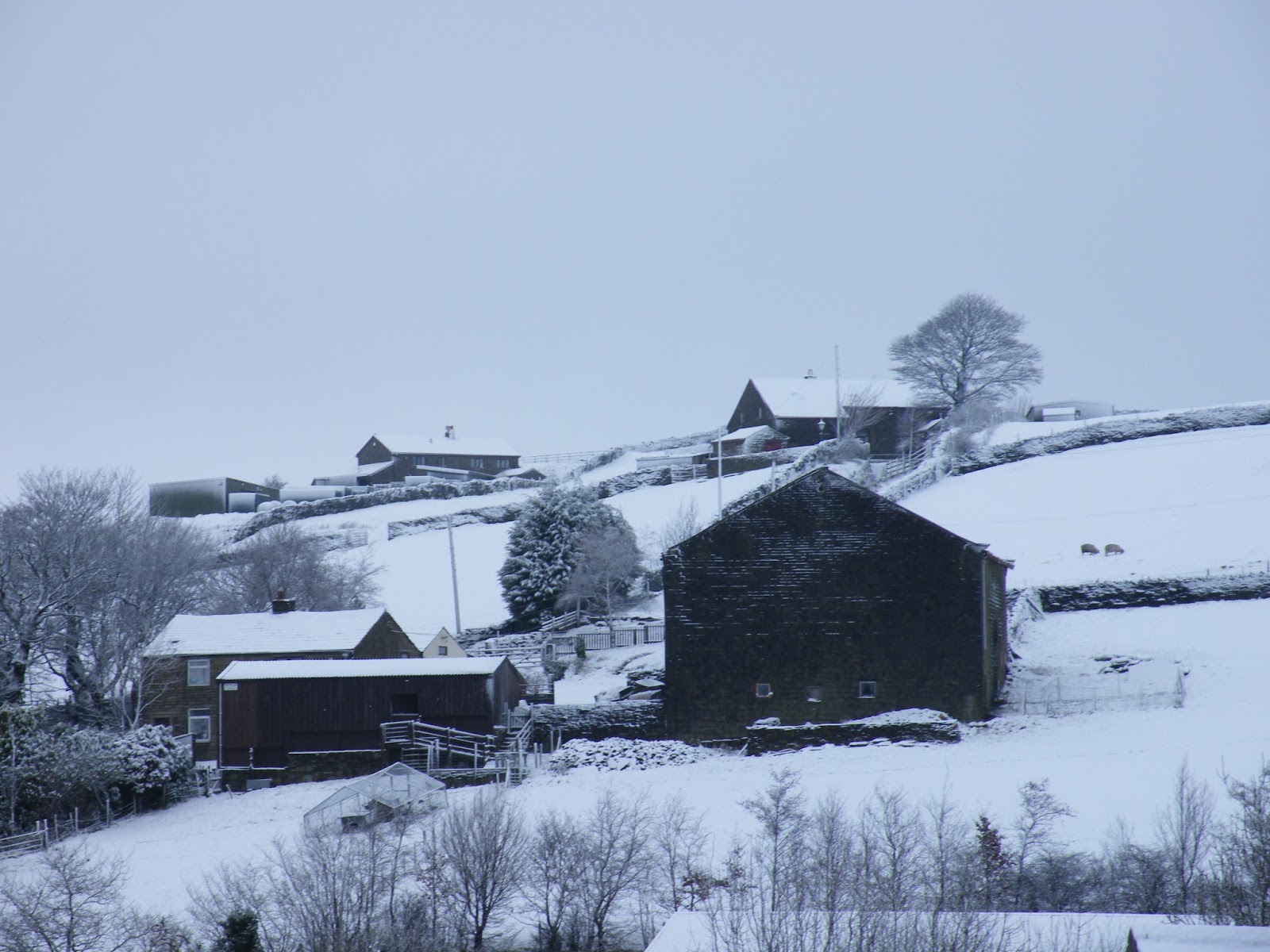
 Winter has been largely wet, icy, cold, snowy and grey. The garden has been somewhat neglected for a few weeks. But at last the Spring seems to be close. 

However, even on the gloomiest of days, the garden can still be alluring for humans and felines alike. 


The winter aconites and iris reticulata are bringing colour and life back into the garden. On a bright day their colours are magical. 

“A single sunbeam is enough to drive away many shadows.” 
Francis of Assisi


Top tip: winter aconites can take a while to establish, be patient, ours took about 3 years to get going properly. 

Historically, the winter aconite was identified with the classical aconite, a poisonous herb dedicated to Hecate, a moon goddess in Greek mythology teaching witchcraft and sorcery. 


Monday, 18 May 2020

Frugal Gardening part 2

Growing from seed is one of the most rewarding parts of gardening. Irrespective of the size of the area that you have to work with there is always likely to be some space for a seed tray, or recycled butter carton or tinfoil tray on a sunny window sill. While most seeds will already have been sown there are still quite a few annuals that can be bought and sown even in mid May. While most of these will be veg and salad crops, you can still sow many varieties of tomatoes and of course, one of my favourites some ornamental grasses. Collecting your own seed then sowing at the appropriate time must be the most rewarding and the most cost efficient method of gardening that there can possible be.

Consequently, my top tip is keep sowing and get yourself prepared for collecting seeds and carefully storing them in a cool, dry tin. I know that some of the Elijah Blue grass is not far from setting seed already.

The other money saving job that will be worth doing in the next few weeks will be digging up the spent daffodils and, a little later, the tulip bubs. Wait until the foliage dies down completely,then any that are not left in the soil can be carefully dug up and stored in a paper bag. I plant new fresh bulbs each year but also save the previous years bulbs and even though they will be somewhat less reliable plant them out in less visited parts of the garden.

A less visited corner can be made much brighter with last years bulbs

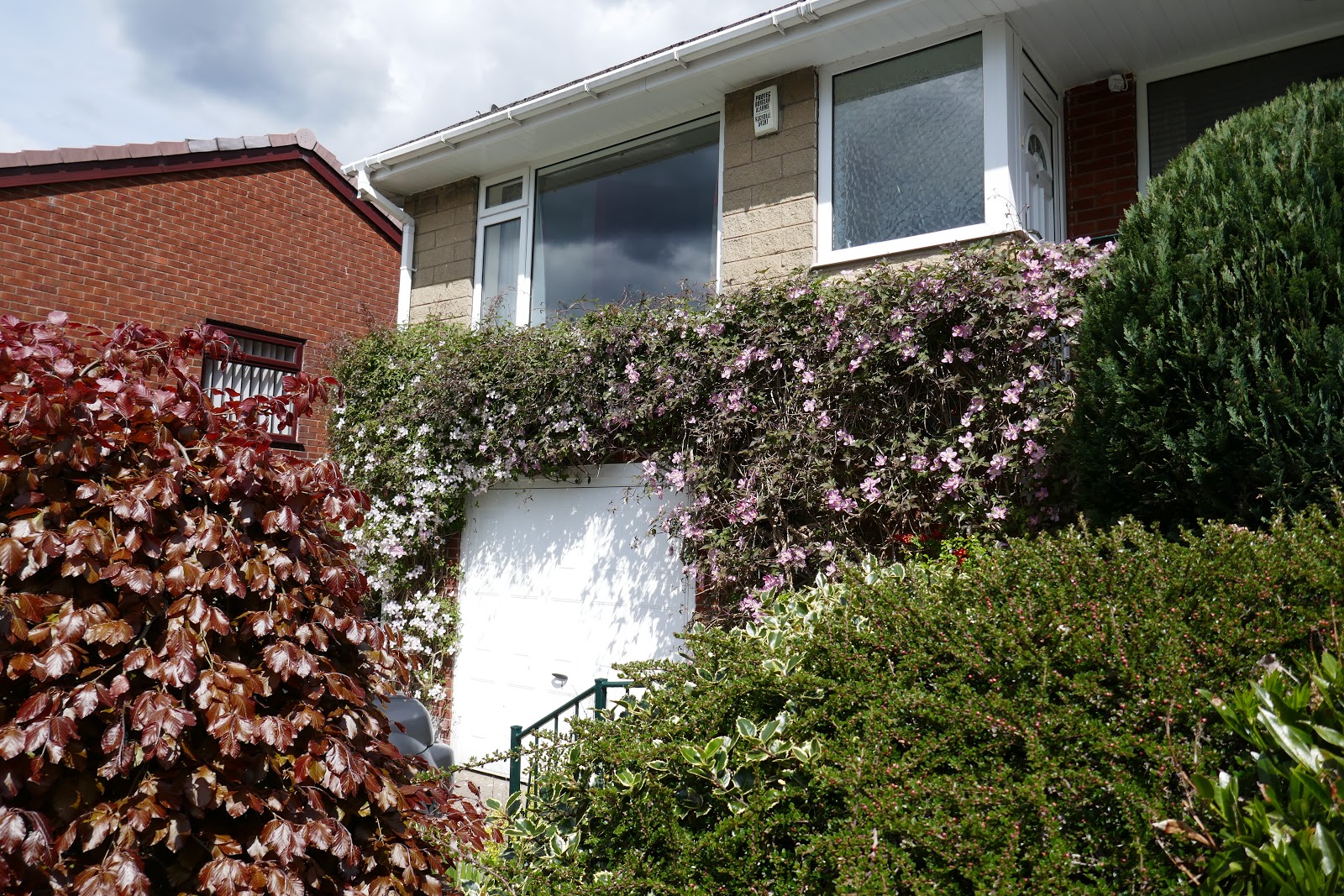
The clematis that covers the front of the house has done very well again this year. It is a pity is doesn't last a few weeks longer but when in flower it certainly attracts some admiring glances.


Monday, 15 April 2019

Containers for Spring Colour

This year we have increased the number of pots with Spring bulbs and colour. The logic is simple, pots can be concentrated by the patio and terrace, the slightly more sheltered parts of the garden and the areas visible from indoors. We have planted out bulb lasagnas for years but this year we have gone much further.

The front of the house has always been the prettiest area in the spring, starting with the snow drops, daffodils, clematis and blue bells. Consequently, it was about time to put a little more focus on the back of the property.

Container and pots create instant impact in your garden. I enjoy the freedom to re-position the best looking pots into the most visible area. It is possible to grow just about any plant in a pot (at least in theory) as you can tailor the aspect, soil, drainage and, to a degree, most of the climatic variables, to suit your specimens. You can use a pot as a focal point, to add instant colour or to grow plants that won't normally grow in your soil. When they are spent the pots can be hidden away and in many instances the plants or bulbs can be saved for next year or even planted out into one of your beds.

The containers themselves are also important. The terrace will normally have just black or white pots to keep the theme but different colours styles and types can really enhance a dull corner or become a real statement. For practical purposes, I like to use plastic pots for the larger containers, this way they can more easily repositioned, an important consideration when they otherwise could be very heavy items.

There are many sources of inspiration on the net, such as David Domoney's blog, but if you like some of these ideas then please leave a comment.


Tuesday, 17 April 2018

Daffodils

It is now past mid April and the daffodils are out; at least most are at the time of writing. It is a measure of how harsh the weather has been at the start of spring and the Pennine altitude that they are so late this year.

While St. David's day is at the start of March and is traditionally associated with the daffodil, it seems quite strange just how far behind we are in this part of the UK.

As you can see from the photograph the daffodils have been planted in the lawn at the front of the house. When they are finished the grass will be mown around the remaining leaves because the bulbs will benefit from the growth afforded by the leaves being left. Deadheading removes the seed pods and keeps the lawn a little bit tidier. However, they will not  flower next year if the bulbs have been starved of the energy from their leaves. They must be left until the leaves start to turn yellow.

Monday, 19 March 2018

Snow Again

The long term trend in the UK seems to be that of a blurring of the seasons. For a decade or more, the winters have been mild and wet, the spring little different, summer unremarkable with less than average sunshine hours and autumn mild, damp but pleasant. However 2018 is bucking the trend, winter has been as severe as I can remember since the early 1980's and spring seems loath to arrive. The garden has been blanketed in snow yet again but this time the spring bulbs that have had the temerity to bloom have been pummeled with rain, winds and large amounts of snow.


The fact that nature and the garden can recover is simply remarkable. Thank goodness the irises have been able to come through largely unscathed. Definitely my plant of the month.


The urge to get outside is becoming overwhelming so fingers crossed the weather will turn soon. Similarly, let us hope for a proper summer season and a further bucking of the recent trend.

Tuesday, 20 February 2018

Design for Winter

Although much of the design of our garden is ad hoc evolution I have been quite conscious for the past few years about gradually redesigning of some of the rooms. It is a little luxury that retired gardeners can afford. The black and white terrace, for instance, is one of the few areas clearly visible from the house. As it was constructed less 18 months ago it is still quite some way off maturity. But I have been quite conscious about the need for some winter interest and structure in this part of the garden, exactly because it is visible from the kitchen. In the morning, when it is light, the planting of the terrace and the evergreen nature of the patio living wall are a welcome splash of colour, all be it mostly green.


The heathers, the hebe (midnight sun), the mouse eared chick weed, the sarcococca humilis, the viburnum, the black grasses and taller black phormium, all give the area a certain interest on a grey February morning. Even the buddleia in the bed above adds some structure, it has been deliberately left largely unpruned. The "butterfly bush" still has some leaf and greenery visible but it will need to be cut back down in the next week or so as the flowers are always on this years new growth.

The first signs of spring will also be evident by looking out of the window onto this space. The spring bulbs are just beginning to show in the raised beds and pots.

This is in direct contrast to other beds in the garden which still look somewhat bleak and rather bare at this time of the year. But they will also need a little attention, weeding and mulching. Fortunately, I can avoid stepping all over the beds (and avoid compacting the heavy soil) by carefully finding a foothold on the retaining stonework.

TIP: avoid standing on the soil in the beds wherever possible and if not use a piece of board laid on the ground to spread your weight.


Wednesday, 31 January 2018

Plant of the Month

snowdrops at end of January 2018
The snowdrop is such an amazing little tough nut. Fortunately we have a mossy bank at the front in which a ""mish mash" of the little marvels have been naturalized. The species has long been associated with winter – the latin name, Galanthus nivalis, literally translates as ‘milk flower of the snow’. Although they thrive in lightly shaded woodland areas ours are pretty exposed at the front of the house.

The white flowers hang from a single stem with three inner petals (called tepals) curved into a tight pointed oval and three external petals loosely opening outwards. These flower heads can be ‘single’ – one layer of petals – or ‘double’ – multiple layers of petals – headed. The grassy foliage is a vibrant light green. Apparently,there are more than 2,500 varieties and, although not a native species, they are now well established in the wild in the UK. As you can see from the photograph we have a rather random selection

In British folklore; snowdrops have come to symbolize hope and purity. In modern medicine a naturally occurring substance within the plant, called galantamine, is used to help treat the symptoms of Alzheimer’s disease. However, the bulbs themselves are poisonous, a fact which perhaps lead to the superstition that a single snowdrop bloom in a house represents death.

My top tip would be, if you are naturalizing some in your own garden, plant them out "in the green". That is plant in late spring, buying just after flowering when the leaves are still green. This is the simplest way of establishing snowdrops.

Monday, 1 January 2018

Happy New Year

Happy New Year to everyone who happens to stumble across this blog, may 2018 be a happy and prosperous one. 

The garden and the cats still offer up plenty of enjoyment even in these bleak days. Traditionally it is a time for bringing the garden indoors. Our modest outdoor space does not afford the opportunity to bring in a Christmas tree but it does not preclude finding seasonal delights to brighten up the house.

The holly, ivy, skimmia japonica and a few pine cones make for a nice table decoration, that even me with my limited artistic and florist skills can manage. Simply arranged with a festive pillar candle and a few baubles it raises a little smile. 

Even if your own plot does not have the appropriate vegetation, just a little local foraging is sure to provide the requisite materials for anybody. Next year I must endeavour to be a little more ambitious and try and wreath for the front door; hopefully not a step too far. But gardening is all about trying new things...... now I must start on my list of resolutions for the garden in 2018. 

The garden has already started to show plenty of signs of life despite the recent inclement weather. The spring bulbs are poking above the surface and the snow drops will be out soon. Magic.


Thursday, 30 March 2017

Bulb Lasagne

A bulb lasgne is an easy way to guarantee some early season colour. A job to do in October, simply pop down to your local garden centre buy your favourite bulb selections and garden. I  like to use two black planters that happen to be supported on legs. This is useful for drainage and protection from slugs.

Starting from the base of a couple of old bits of broken crockery add a layer of compost. Then bed in a good selection of your favourite tulips bulbs. More compost and some nice daffodils can be added to make another layer. More compost, then I add a personal plant favourite, dome dwarf iris bulbs. Finally, another compost layer and then some winter pansies for the top. Hey Presto.


Although my winter pansies never seem to last much more than a couple of weeks before beginning to look increasingly disheveled, at least they offer the bulbs some protection from hungry squirrels. My other tubs need a protective layer of chicken wire draped across the top. Do any readers have any good tips for prolonging the just planted look of my pansies? I suspect the rather gloomy November light down on the patio had something to do with it.


Patio furniture still under cover and a Mili taking shelter in a secret hideout